
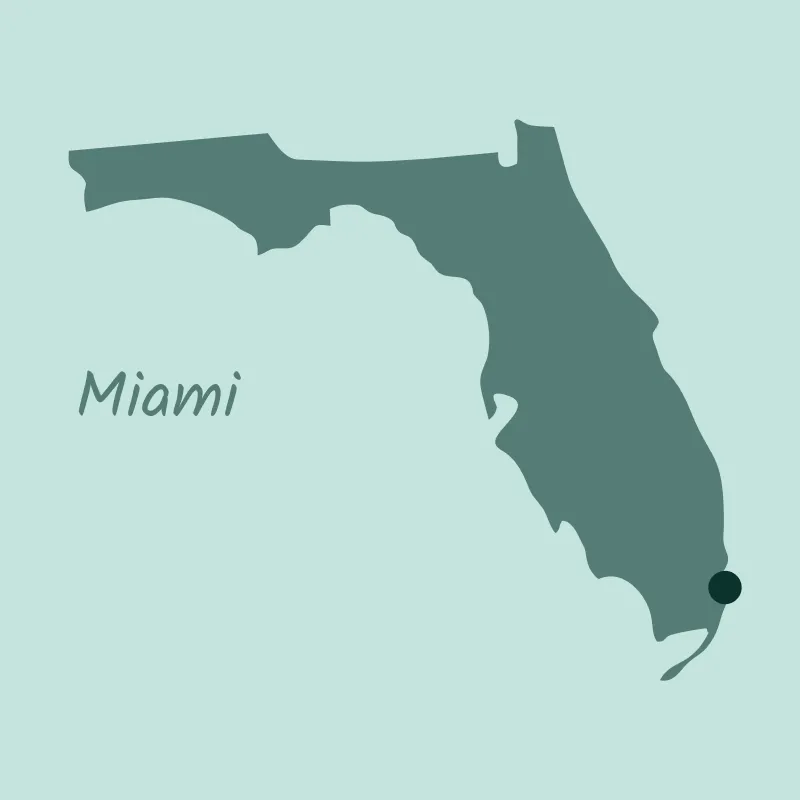

- Learn about the best health insurance options for specific needs like mental coverage and lowest-cost plans
- Get general pricing for health plans in Miami, Florida
- Find out more about ICHRA, a newer health benefit option for small business owners that allows them to give tax-free dollars to employees for marketplace health plan premiums.
How to find affordable health insurance (for you and your small business employees)
The marketplace, also known as a health insurance exchange, allows individuals and families to shop for health insurance. Established by the federal government, it mandates that listed health plans provide comprehensive benefits.
In 2019, the government introduced ICHRA (Individual Health Reimbursement Arrangement), a unique way for small businesses to offer health benefits. Through ICHRA, business owners can give pre-tax money to employees for purchasing their own health plans from the marketplace. More employees than ever before are shopping the marketplace. Let's explore the options.
Best health plans in Miami — StretchDollar’s picks
Healthcare is local, and options vary based on what county you live in. There are a lot of health insurance choices in Miami, Florida. That’s a good thing! Here are a few of our top picks, based on cost and network coverage.

Best if you must have Baptist Medical Group in network
myBlue Bronze 2219 ($0 Virtual PCP Visits / Rewards) - HMO

Best if you want Mercy Hospital in network and $0 deductible
Aetna Bronze 4 Advanced: $0 PCP + $0 MinuteClinic - HMO

Best if you like telemedicine + lower premium
Oscar Bronze Classic 4700 - EPO
Lowest-cost plans (worth the money) in Miami
If cost is an issue, we’ve got you covered. These are some of the cheapest health plans (that are still pretty good) in Miami, Florida.
*Based on 30-year-old male
Best mental health coverage in Miami
Some health plans give you better coverage for mental health needs than others. (And yep, some don’t cover it at all.) If mental health coverage is important, consider these health plans.
Note: If you have a particular therapist you love (and we hope you do), we recommend double checking with them that they accept these plans before purchasing one.
Carriers in Miami that take credit cards
If you like racking up credit card reward points while paying for your health insurance premiums, you have lots of options. The following health insurance carriers in Miami, Florida accept credit cards:
- Aetna CVSHealth
- Ambetter
- AmeriHealth Caritas Next
- AvMed, Inc.
- Cigna
- Florida Blue / BlueCross BlueShield
- Molina
- Oscar Health
- Simply Healthcare / Wellpoint
- UnitedHealthcare
Favorite perks — StretchDollar’s picks
Certain health insurance plans offer additional benefits beyond the standard coverage. Below are some examples.
Free telemedicine and useful app
Free Minute Clinic visits
$3 prescription medicine program
up to $100 yearly allowance to use on over-the-counter
health items at CVS
Insurance carriers in Miami, Florida
Shopping on the marketplace offers you the advantage of choice. The marketplace in Miami has 175+ plans from ten different health insurance carriers.
- Aetna CVSHealth
- Ambetter
- AmeriHealth Caritas Next
- AvMed, Inc.
- Cigna
- Florida Blue / BlueCross BlueShield
- Molina
- Oscar Health
- Simply Healthcare / Wellpoint
- UnitedHealthcare
Understanding health insurance
Health insurance has a lot of terms and jargon that are important to know. Here’s some of the main ones you’ll come across. You can find more here.
EPO


A type of health insurance plan that requires you to choose a primary care physician, but allows you to see specialists without a referral. These types of plans tend to be higher in cost than HMOs and lower in cost than PPOs.
POS
A type of health plan that allows members to select in-network and out-of-network providers, with higher costs for providers outside the network. These plans tend to cost higher than HMOs and EPOs.
Deductible
A deductible is the amount you have to pay out of pocket before your insurance coverage kicks in. For example, if you have a $1,000 deductible, you'll have to pay the first $1,000 of your medical expenses before your insurance will start covering your costs. Usually, the higher your deductible, the lower your premium.
Out-of-pocket max
Your out-of-pocket maximum is the most you'll ever have to pay for covered medical expenses in a year. Once you hit this limit, your insurance will take care of any extra eligible medical costs.
When to get help finding a health plan
Seeing out-of-network doctors or taking medicines that aren’t covered by your health plan can become quite costly. If you have complicated health needs or take specialty medicines, you should consult a broker to make sure your doctors and prescriptions are covered.
Why more small businesses are choosing ICHRAs
Health insurance is complicated and costly, especially for small businesses. High participation rates and contribution requirements make it out of reach for many. Not to mention, traditional group health insurance plans often require 60+ hours of administrative work. That’s where ICHRA comes in. Small business owners finally can control their benefits budget and setup takes just ten minutes. Learn more.
StretchDollar’s guide to the best small business health insurance in Florida. Learn more about employee health coverage options for SMBs and startups with this guide.
Health insurance guides in other Florida cities
FAQ
What is the cheapest health plan in Tampa, Florida?
One of the cheapest plans in Tampa, Florida is the Ambetter Standard Expanded Bronze - HMO plan which is $332/month for a 30-year-old male.
What types of health plans are available in Tampa, Florida?
Florida offers four types of plans: HMO, EPO, PPO and POS.
Are there any PPO health plans in Tampa, Florida?
Yes, there are PPO plans available in the marketplace in Tampa, Florida.
How do premium tax credits work?
Premium tax credits, also known as premium subsidies, are financial assistance provided by the government to help individuals and families afford health insurance coverage. The premium tax credits are available to those who purchase their health insurance through the marketplace.
The amount of premium tax credit a person may receive is based on their household income, the total number of dependents, and the cost of health insurance premiums in their area. This means that those with lower incomes may be eligible for a larger tax credit, while those with higher incomes may receive a smaller amount or may not be eligible at all.